
Selling a home is rarely simple — but when a property has foundation issues, the challenge becomes even greater. If you own a house in Laurel, MD that has structural problems, the idea of listing it on the traditional market can feel overwhelming. Many buyers are turned off by foundation concerns; lenders may balk at approving mortgages; repair costs can be steep; and time-on-the-market can drag on.
But having foundation issues doesn’t mean you’re stuck. There are paths to sell — and one of the most effective options is a fast cash sale. A cash sale lets you sidestep many of the hurdles that come with structural problems. In this guide, we’ll walk you through what foundation issues mean for selling, why a cash sale could be the right choice, and exactly how to sell quickly — with confidence and transparency.
Understanding Foundation Issues
What Are Foundation Issues?
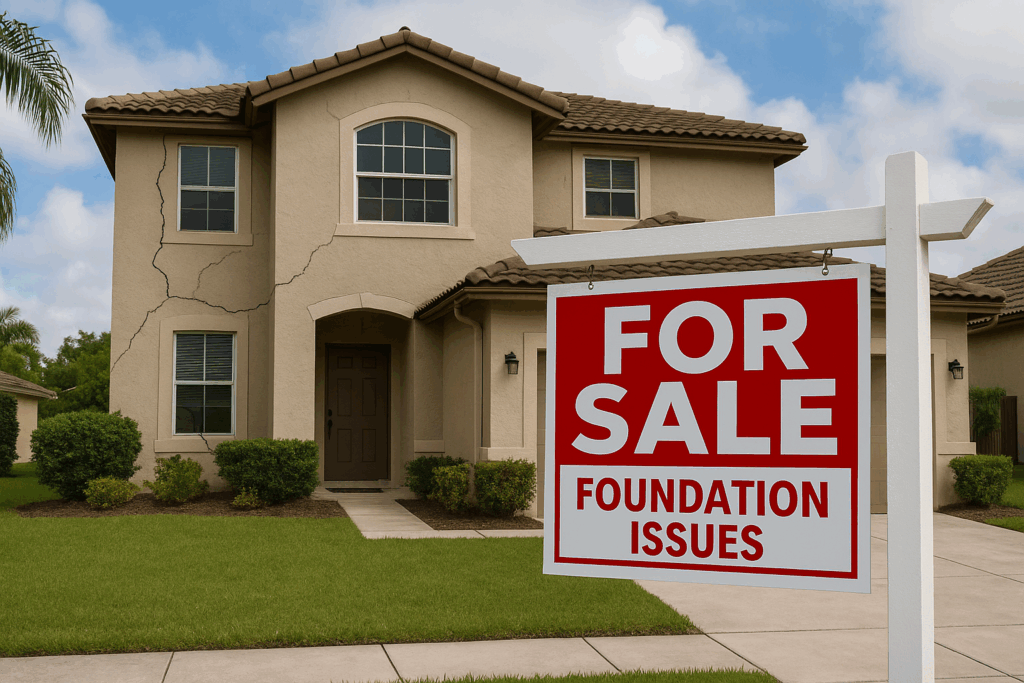
A “foundation issue” can mean different things — from small, cosmetic cracks to serious structural damage. Some common signs include:
- Cracks in walls, floors, or ceilings — particularly around windows and door frames.
- Uneven or sloping floors, sagging floorboards, or doors/windows that no longer close properly.
- Gaps between trim/house structure and the foundation, or between garage/driveway and the house.
- Dampness or water infiltration in basements or crawl spaces, which can lead to foundation shifting or weakening.
- Bowing or bulging walls; chimneys, porches or decks pulling away or leaning; exterior structural distortion.
Depending on severity — from minor settlement to shifting/sliding soil or poor drainage — the root causes and implications vary significantly.
Causes of Foundation Problems
Foundation issues can arise from a number of underlying causes. Some of the most common include:
- Soil conditions: Expansive or shifting soils (clay, poorly compacted fill) can expand or shrink with moisture changes, destabilizing the foundation.
- Water and drainage problems: Poor drainage, heavy rainfall, flooding, leaks or inadequate grading can saturate soil and lead to erosion or shifting — undermining the foundation.
- Construction or design flaws: Improper soil preparation, inadequate foundation depth, substandard materials or construction shortcuts sometimes result in early or accelerated foundation deterioration.
- Natural settling or long-term wear and tear: Older homes may have foundations that gradually shift or settle over time — especially under changing environmental conditions or shifting loads.
Learn more about how foundation repairs can add value to your home — check out Angi’s guide on Does Foundation Repair Affect Home Value?
How Foundation Issues Affect Home Value & Marketability
Foundation issues — even when cosmetic or moderate — can significantly reduce a home’s appeal and value. Many traditional buyers rely on financing, and mortgage lenders typically require structural soundness. If a home fails inspection, the loan may be denied — which automatically excludes a large segment of potential buyers.
As a result:
- Homes with foundation issues often sell for 20–30% less than comparable houses in good condition.
- The pool of potential buyers shrinks significantly: many will avoid houses needing repairs or those likely to trigger financing issues.
- The property may sit on the market far longer than typical houses — especially if repair costs are high or the seller is unwilling/unable to fix the issues.
Given these challenges, many sellers with foundation problems understandably feel stuck — but that’s where alternative selling strategies (like cash sales) come into play.
Why Traditional Sales Aren’t Always the Best Option for Foundation Issues
Mortgage & Financing Hurdles
One of the biggest obstacles for a traditional sale is financing. Buyers using conventional or FHA/VA loans may find that lenders refuse to fund a house with structural or foundation defects. That means even if you have a buyer — if the underwriting fails, the deal collapses.
This hurdle alone excludes a large portion of the buyer market. Many ordinary homeowners simply don’t have the cash or risk appetite to buy a house needing structural repairs.
High Repair Costs & Uncertain ROI
Repairing foundation issues can be expensive. Depending on the severity, repairs might range from minor crack fixes to major underpinning, new footings, drainage correction, or structural stabilization.
Even after investing in repairs, there’s no guarantee you’ll recoup the full cost. The resale value improvement might not cover repair expenses — especially if the damage was significant or if the market in your area is soft.
Time, Stress, and Uncertainty
A traditional sale in this scenario often involves:
- Disclosing foundation problems upfront
- Scheduling and passing inspections
- Negotiating repair credits or price reductions
- Possibly arranging repair work before closing
All that adds time, stress, and uncertainty. For sellers who want — or need — to move fast, or who don’t have the resources for repairs, it’s often not worth it.
Advantages of Selling for Cash (As-Is)
Given those obstacles, a cash sale becomes an appealing — and sometimes the most practical — option. Here’s why:
- Speed of Closing: Cash buyers can often close in as little as 7–14 days, or sometimes within 30 days. There’s no waiting for loan approval, appraisal, or inspection contingencies.
- No Repairs Required: Cash buyers (investors, house flippers, or companies buying “as-is” homes) are willing to purchase in current condition. That means you don’t need to spend on repairs, cleanup, or staging.
- Reduced Stress & Complexity: No inspections for conventional buyers, no deal-breaking repair negotiations, no unpredictable delays. The process is straightforward.
- No Realtor or Agent Fees (Potentially): Bypassing agents — or using buyer-direct strategies — can save you commission fees, marketing costs, and other closing expenses.
- Certainty — Even with Structural Issues: Cash buyers often specialize in distressed or problem properties — they expect complications and price accordingly. That flexibility gives you a real chance to sell, even when the house has serious foundation problems.
If you’re looking to sell as-is, take a look at this article on why cash sales are a smart choice for homeowners facing structural issues for more insights.
How to Sell a House with Foundation Issues Fast in Laurel, MD — Step-by-Step
Here’s a practical, step‑by‑step roadmap to get your house sold quickly — even with foundation issues.
Step 1: Assess & Document the Foundation Issues
Get a Professional Inspection
Before anything else, get a proper structural or foundation inspection. A qualified inspector or structural engineer can help distinguish between minor, cosmetic issues and serious structural problems that impact safety or value.
Why this matters:
- You need a clear understanding of the scope and severity — for pricing, disclosure, and negotiation.
- Helps you decide whether to attempt repair or sell “as-is.”
- Provides information that’s useful (or required) when disclosing defects to potential buyers.
Document Everything — Photos, Reports, Estimates
Take clear photos (interior and exterior) of visible cracks, uneven floors, sagging walls, water stains, etc. Combine those with your inspection report (if you get one), any prior repair history, water/damage history, and estimate of needed repairs (if any). This builds transparency and helps buyers or investors assess risk more accurately — which often speeds up offers.
Step 2: Choose Your Selling Path — Fix & List vs. Sell As-Is for Cash
Once you have a clear picture of the foundation issues, you basically have two main paths:
| Option | What It Involves |
|---|---|
| 1. Repair then List (Traditional Sale) | Hire contractors/foundation repair specialists; fix structural issues; get necessary documentation; then list with agent or independently. |
| 2. Sell As-Is — Cash Sale / Investor Sale | Market the home transparently with disclosure; target cash buyers/investors; accept lower offer but avoid repair costs and delays. |
When Fixing First Makes Sense
- If foundation issues are relatively minor and repairs are affordable compared to the increase in potential sale price.
- If the local market in Laurel, MD supports higher resale values and buyers are willing to pay a premium for repaired homes.
- If you have time, or prefer to maximize sales price rather than speed.
When Selling As-Is Is the Better Option
- If foundation problems are extensive, costly, or unpredictable to fix.
- If you need to sell quickly (moving, financial need, avoiding maintenance or lot-rent issues).
- If you don’t want to deal with repair contractors, inspection cycles, or traditional buyer financing issues.
Most homeowners facing major foundation issues benefit from option 2 — a cash sale — because it minimizes hassle while maximizing certainty of closing.
Step 3: Market the Property Properly — Honesty & Targeted Buyers
If you choose to sell as-is / cash sale:
- Disclose everything: Be upfront about foundation issues. Transparency builds trust. Offering inspection reports or documentation (even if issues are serious) helps potential buyers make informed decisions.
- Market to the right audience: Not all buyers will consider a home with foundation issues. Focus on investors, house-flippers, cash buyers, or renovation-minded buyers — these are the types most likely to appreciate the value potential despite repairs.
- Price realistically: Because of the risk and repair costs involved, you’ll likely need to price below average market value. Many sellers take a 20–30% discount compared to a fully sound comparable property.
- Highlight positives beyond the foundation: If the home offers desirable attributes — good location (in Laurel, MD), layout, lot size, neighborhood amenities — make sure these are front and center in your listing or offer pitch. It helps soften the “as-is” stigma.
Step 4: Work with a Cash Buyer & Close the Deal
- Receive an Offer: Cash buyers typically respond quickly. Offers often come in a week or less, with minimal contingencies.
- Negotiate & Accept the Offer: Cash buyers are generally straightforward. You won’t be dealing with the prolonged negotiations typical in traditional sales.
- Close Fast: The closing process for cash sales can happen quickly — often within 7–14 days. Since financing issues are out of the picture, the sale is much faster.
What to Expect During a Cash Sale
Here’s how a typical cash sale of a house with foundation issues tends to proceed — and what you should know at each stage:
- Receive an Offer — usually quickly
Because cash buyers often specialize in problem properties, they’re more likely to make a prompt “as-is” offer once they see documentation. Timing can be days to a week or two, depending on buyer interest. - Review the Offer & Disclose Risks
When you receive an offer, check that the buyer has reviewed the inspection or documentation. Transparency helps avoid renegotiation post-inspection or at closing. - Close the Sale — Fast, with Fewer Contingencies
Cash sales avoid many of the delays of traditional sales: no lender appraisal, limited/no inspection contingencies (or inspection is optional), fewer buyer demands, simpler paperwork. Many deals close in 2–4 weeks, sometimes faster. - Avoid the Costs — Repairs, Holding, and Agent Fees
You skip the need to pay for costly structural repairs, avoid ongoing maintenance or holding costs (taxes, utilities, lot rent), and often avoid agent commissions if you’re working directly or with a cash buyer.
Frequently Asked Questions (FAQs)
Can I sell my house with foundation issues if I don’t fix anything?
Yes. Many buyers (especially cash buyers or investors) are willing to purchase a home “as‑is,” meaning they accept the existing condition without requiring repairs or renovations.
Will I get a fair price if I sell “as‑is”?
“Fair” depends on what you define as fair. Offers will almost certainly be below market value for a fully sound home — often 20–30% lower — to account for repair costs and associated risk.
However, when you factor in the costs you’re avoiding (repairs, time on market, holding costs, agent fees), the net result is often comparable or even favorable — especially if you value speed, convenience, and certainty over maximizing sale price.
What if the house fails inspection?
If you’re selling traditionally, a failed inspection can derail the sale. Lenders may withdraw financing; buyers may renegotiate or walk away. That’s why many structural‑issue homes don’t sell — or sell only after expensive repairs.
With a cash sale, you often bypass the inspection contingency (or the buyer accepts the issue upfront), meaning a failed inspection doesn’t necessarily kill the deal. That’s a major advantage for sellers with foundation problems.
Are there legal or disclosure obligations when selling a house with structural issues?
Yes. In many jurisdictions, you are required to disclose known defects — including foundation or structural problems — to potential buyers. Not disclosing can lead to legal liability or renegotiation after the fact.
It’s best practice to provide any inspection reports, documented issues, and disclose all known problems in writing. Transparency tends to build trust and avoid complications.
How much does foundation repair cost — and is it worth it?
The cost varies widely depending on the severity. Minor crack repairs might be relatively inexpensive, but serious structural fixes — underpinning, soil remediation, drainage corrections — can be very costly.
Because repair costs are uncertain and can be high, many sellers decide that the time, money, and risk involved make cash sale a more practical path — especially if they want to avoid out-of-pocket expenses and get a quick sale.
Conclusion — Why Cash Sale Makes Sense for Foundation‑Issue Homes in Laurel, MD
Selling a house with foundation problems is undeniably more complicated than selling a “turnkey” home. Structural issues scare off many conventional buyers, disrupt financing, inflate required investments, and often lead to drawn-out sales or failed deals.
But that does not mean the property is unsellable. With the right approach — transparency, documentation, realistic pricing — you can still turn a challenging situation into a clean, fast sale. A cash sale, in particular, offers a practical solution: immediate liquidity, no repairs, minimal stress, and the certainty of a closing date.
For many homeowners in Laurel, MD — especially those who need speed, cash, or just want to move on — this route is often the most sensible and least painful.
If you’re considering selling, Capitol Cash Offer can help. Start by getting an inspection, documenting issues, and contacting us for a fair, no-obligation cash offer. It may not fetch the “dream price,” but it could deliver a safe, fast, and fair outcome when time and certainty matter most.