
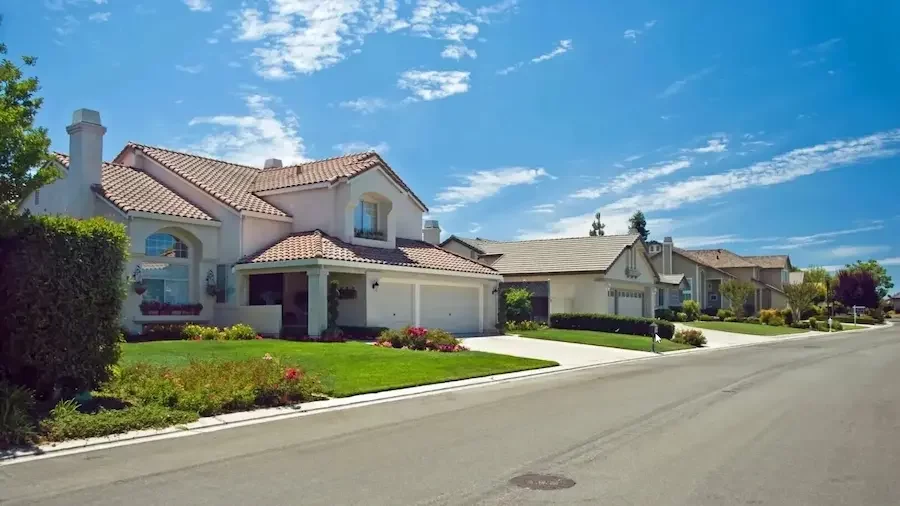
When dealing with the loss of a loved one, the probate process can often feel overwhelming, especially when it comes to selling a property during probate. In Mount Pleasant, SC, as with many places across the country, selling a house during probate involves navigating legal complexities, family dynamics, and specific timelines that are different from a standard real estate transaction. Whether you are the executor of the estate or an heir, understanding the probate process and the steps involved in selling a house during probate can help make the process smoother and more efficient. This article will guide you through the probate process in South Carolina and offer you insight into how to sell a house during probate in Mount Pleasant, SC.
What is Probate and Why Does It Matter in Mount Pleasant, SC?
Probate is the legal process that occurs after someone dies, in which their estate (including any real property) is administered and distributed according to their will (or according to state law if no will exists). In South Carolina, like many other states, probate involves the appointment of an executor (if there is a will) or an administrator (if there isn’t a will) to handle the deceased person’s affairs, including the sale of any real estate. The probate process typically involves several steps, including filing the will with the court, notifying creditors, and distributing assets.
When it comes to selling a house during probate, there are additional hurdles to navigate. These hurdles include obtaining court approval for the sale and ensuring that all legal requirements are met before the transaction is completed.
For those in Mount Pleasant, SC, understanding the local probate laws, the role of the probate court, and the steps involved in selling a house during probate is crucial to ensuring a smooth and efficient sale.
Understanding the Probate Process in South Carolina
What is Probate?
Probate is the legal process by which a deceased person’s assets are managed and distributed to their heirs. It typically involves:
- Validating the will (if one exists).
- Appointing an executor (or administrator if no will exists).
- Paying off any debts or obligations the decedent may have.
- Distributing the remaining assets to the heirs.
The probate court in Mount Pleasant, SC, oversees the entire process to ensure the decedent’s wishes are carried out properly. This is especially important when it comes to selling any real property as part of the estate. To better understand how probate works in South Carolina, you can refer to this comprehensive guide on navigating the probate process.
The Probate Timeline
The probate process can be lengthy, taking anywhere from several months to over a year. Here is a general probate timeline for South Carolina:
| Step | Timeframe | Description |
|---|---|---|
| File for Probate | 1–3 months | The initial filing of the probate petition with the court. |
| Appointment of Executor/Administrator | 1–2 months | Court appoints the executor or administrator to handle the estate. |
| Notice to Creditors | 4–6 months | Creditors are notified and have a set time to make claims on the estate. |
| Sale of Property | 6–12 months | Time needed for the property sale process to be completed. |
For more detailed information on how probate works in South Carolina, you can refer to the official South Carolina Probate Court guide.
How Probate Affects Property Sales
During probate, the executor or administrator is responsible for managing the estate’s assets, including any real property. This may involve selling the home to pay off debts or to distribute the proceeds among heirs.
Selling a house during probate in South Carolina requires:
- Court approval: In some cases, the executor must seek court approval to sell the property.
- Clear title: The property’s title must be cleared, and any debts or claims on the property must be resolved before the sale can proceed.
Key Steps for Selling a House During Probate in Mount Pleasant, SC
Step 1: Confirm Ownership and Title
Before proceeding with the sale of the house, it is essential to confirm that the decedent was the rightful owner of the property. This includes:
- Checking the deed to ensure that the decedent’s name is on it.
- Verifying that the property is free of liens or other encumbrances.
- If there are any debts or mortgages on the property, these need to be settled before the sale can proceed.
Step 2: Appraise the Property
Getting a professional appraisal is an essential step in the probate property sale process. The value of the property needs to be established to ensure that the sale is fair and in line with the estate’s interests. An appraisal can help avoid any disputes between heirs or beneficiaries and can also be used as part of the court’s approval process.
You can learn more about property appraisals and why they matter on the Consumer Financial Protection Bureau’s website.
Step 3: Get Court Approval
In many cases, the sale of a house during probate requires court approval. This is especially true if the sale price is significantly lower than the market value or if there are disputes among heirs. The executor must submit a petition to the probate court requesting permission to sell the property.
The court will review the petition and ensure that the sale is in the best interest of the estate and its beneficiaries. This process can take time, so it’s important to account for delays in the overall timeline.
Step 4: List the Property
Once you have received court approval, it’s time to list the property for sale. Choosing the right real estate agent is critical. A real estate agent experienced in probate sales will be able to guide you through the process, including:
- Preparing the property for sale (cleaning, repairing, staging).
- Marketing the property to potential buyers.
- Ensuring that all legal requirements are met during the transaction.
Challenges You May Encounter When Selling a House During Probate
Delays in the Probate Process
One of the biggest challenges when selling a house during probate is the timeframe. Probate can take several months to complete, and selling the house may take even longer. Delays in the probate process may occur due to:
- Disagreements between heirs over the sale of the property.
- Creditors’ claims or unresolved debts.
- Court scheduling delays.
Complicated Family Dynamics
Family disagreements can complicate the sale of a property during probate. Heirs may have different opinions on how to handle the property, whether it should be sold, or what price it should be sold for. If there are significant disagreements, the sale could be delayed or even blocked.
Legal Issues
Legal issues can also delay the sale of a property. For example:
- If there are outstanding debts or tax liens on the property, these must be resolved before the sale.
- If the title to the property is unclear, it may need to be cleared up before the sale can proceed.
Selling a House During Probate vs. Selling a House Normally
Key Differences Between Probate Sales and Regular Sales
| Feature | Probate Sale | Regular Sale |
|---|---|---|
| Court Involvement | Often required | No court involvement |
| Timeframe | Typically longer | Quicker |
| Buyer’s Risk | Higher risk for buyers | Lower risk for buyers |
| Property Condition | May need court approval for condition | Seller can negotiate |
Why Selling During Probate May Take Longer
The probate sale process can take longer than a regular sale due to the involvement of the court and the need for legal approval. Additionally, disagreements among heirs or claims by creditors can cause delays.
The Best Way to Sell a House During Probate in Mount Pleasant, SC
Options for Selling During Probate
There are several options for selling a house during probate, each with its pros and cons:
- Traditional Sale with an Agent: This is the most common method, but it can be time-consuming due to the probate process.
- Selling to a Cash Home Buyer: Cash sales are often faster and may be less complicated, as they don’t require repairs or lender approval.
- Auction: If the property is in poor condition or if the estate needs to sell quickly, an auction may be a good option.
Why Cash Sales Are an Attractive Option
Selling to a cash home buyer is often the fastest and easiest option during probate. Here’s why:
- Faster Closing: Cash buyers can typically close in as little as 7–14 days.
- No Repairs Needed: Cash buyers usually purchase the property as-is, saving you from having to make repairs.
- No Lender Involvement: This eliminates the need for lengthy loan approvals or appraisals, speeding up the process.
Working with a Real Estate Agent and Legal Advisors
Why You Need a Real Estate Agent Specializing in Probate Sales
Working with an agent who has experience in probate sales can make the process much smoother. An agent familiar with the complexities of probate will help:
- Navigate court requirements.
- Ensure compliance with all legal requirements.
- Market the property effectively.
The Importance of Legal Assistance
A probate attorney can assist with the legal aspects of selling a house during probate. They will help:
- Ensure that the sale complies with probate laws.
- Assist with clearing up any title issues.
- Handle any disputes that may arise among heirs or creditors.
Finalizing the Sale
What Happens After the Sale is Approved?
Once the sale is approved, the proceeds from the sale must be used to pay off any outstanding debts of the estate. The remaining funds will be distributed among the heirs according to the will or state law.
Paying Off Debts and Closing the Estate
Before the estate can be closed, all debts and taxes must be paid, and any remaining assets must be distributed to the heirs. Once this is completed, the probate court will officially close the estate.
Frequently Asked Questions (FAQs)
Q1: Can I sell the house before the probate process is complete in Mount Pleasant, SC?
Answer: In some cases, you can sell a house before probate is fully completed in Mount Pleasant, SC. However, court approval is typically required to proceed with the sale during probate.
Q2: How long does it take to sell a house during probate in Mount Pleasant, SC?
Answer: Selling a house during probate in Mount Pleasant, SC, usually takes 6 to 12 months, depending on court approval, family dynamics, and any legal issues that may arise.
Q3: Do I need court approval to sell the house during probate in Mount Pleasant, SC?
Answer: Yes, most probate property sales in Mount Pleasant, SC, require court approval to ensure that the sale is fair and in the best interest of the estate and its heirs.
Q4: Can heirs stop the sale of the property during probate in Mount Pleasant, SC?
Answer: Yes, heirs can challenge the sale if they disagree with the price or how the sale affects their inheritance, potentially delaying or stopping the process in Mount Pleasant, SC.
Q5: What happens if the house is sold below market value during probate in Mount Pleasant, SC?
Answer: If a house is sold below market value in Mount Pleasant, SC, the probate court must approve the sale to ensure it benefits the estate and its heirs and that no one is unfairly disadvantaged.
Q6: What is the fastest way to sell a house during probate in Mount Pleasant, SC?
Answer: Selling to a cash buyer is typically the fastest option during probate in Mount Pleasant, SC. Cash buyers can often close in 7-14 days without requiring repairs or lender approval.
Conclusion: Selling a House in Probate in Mount Pleasant, SC
Selling a house during probate in Mount Pleasant, SC, can be a complex process involving legal, financial, and familial considerations. By understanding the probate process, working with the right professionals, and carefully navigating the steps, you can ensure that the sale goes smoothly and is in the best interest of the estate and its beneficiaries. Whether you choose to sell traditionally or to a cash home buyer, understanding your options will help you make an informed decision and expedite the sale process.
At Capitol Cash Offer, we specialize in guiding homeowners through the probate sale process. Our experienced team ensures that every step, from navigating legal complexities to handling the sale efficiently, is done with the utmost care and professionalism. If you are looking to sell your house during probate, contact Capitol Cash Offer today to get started and make the process as smooth as possible.